
India's 2030 Infrastructure Horizon: Mega Projects Unlocking High-Yield Property Markets
DGGC Market Research Team
Senior Land Economist
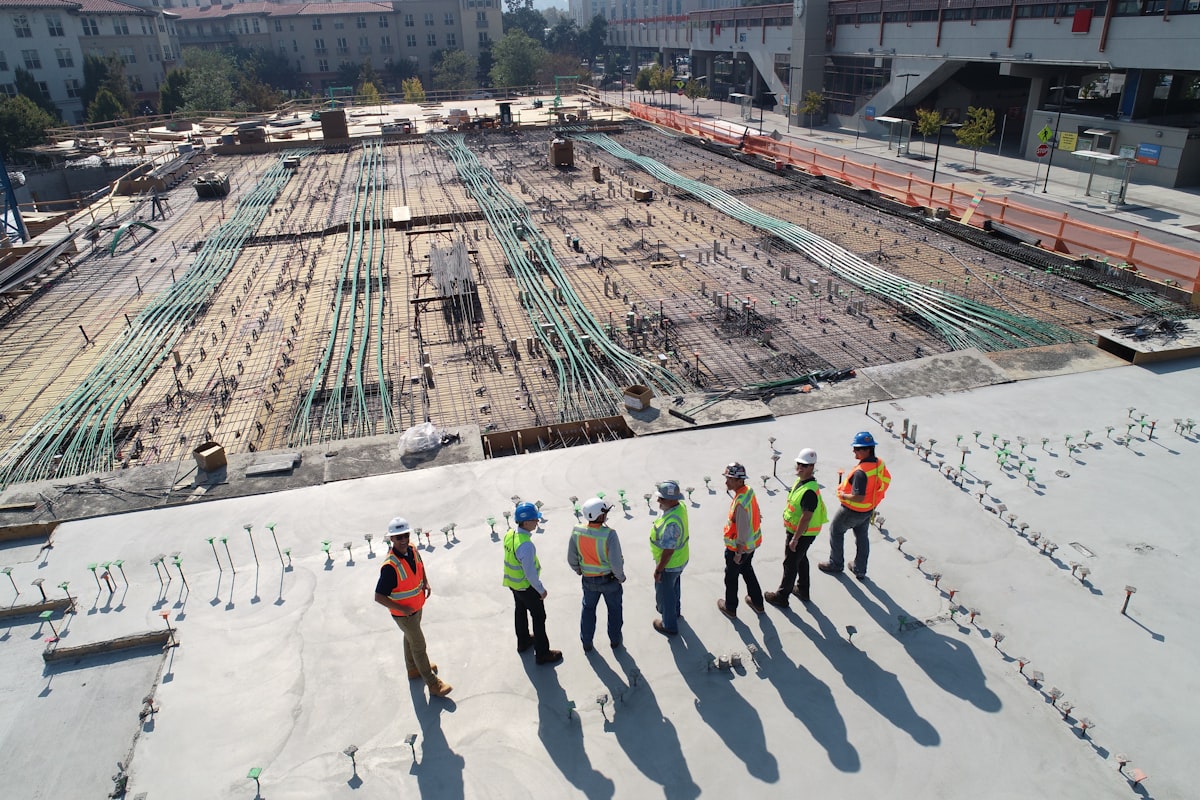
In real estate, the adage 'location, location, location' has evolved. Today, in the context of India's rapid development, the mantra is 'connectivity, connectivity, connectivity.' As the Indian government accelerates its infrastructure pipeline, a series of mega-scale engineering projects are completely redrawing the property map, unlocking previously inaccessible micro-markets and sparking high-yield investment opportunities.
The Multiplier Effect of Mega Infrastructure
Historically, infrastructure lagging behind housing development was a major pain point. Today, the approach is proactive. Strategic investment in high-speed expressways, regional rapid transit systems (RRTS), and international airports is creating massive positive spillover effects on residential and commercial land values.
Gurugram and the Dwarka Expressway Impact
The completion of the Dwarka Expressway is a prime case study. What was once considered peripheral land has now transformed into Gurugram's most sought-after corridor. Luxury residential projects along the expressway have witnessed a capital appreciation of over 40% in the last 24 months. The connection to the Indira Gandhi International Airport and Delhi's central business districts has attracted massive corporate investments and premium residential demand.
The Jewar Airport Ripple Effect in Noida
In Uttar Pradesh, Noida and Greater Noida are experiencing a real estate renaissance driven by the upcoming Noida International Airport (Jewar). It is poised to be one of Asia's largest airports, and the surrounding Yamuna Expressway zone is turning into an industrial and logistics powerhouse. Investors are acquiring large commercial and residential parcels, predicting that the airport launch will cause rental yields to climb to international standards.
"Infrastructure does not just connect two points; it connects capital to opportunity. The regions adjacent to upcoming logistics hubs are the gold mines of 2030."— DGGC Market Research Team
What Lies Ahead: Tier-2 and Tier-3 Growth
With high prices in tier-1 metros, capital is also flowing into tier-2 cities that are well-connected by new highway corridors. Towns like Sohna, Panipat, Lucknow, and Indore are emerging as strong real estate destinations. They offer high quality of life at lower entry points, attracting young professionals who now work in remote or hybrid capacities.
Strategic Investment Takeaways
For forward-thinking investors, the playbook for the next decade is clear: focus on transit-oriented developments (TOD), track expressways at their early construction phases, and diversify portfolios into high-growth corridors where infrastructure is heavily backed by government policy. The 2030 property boom is being built on foundations of steel, concrete, and rapid connectivity.
Interested in this property outlook?
Speak with a DGGC expert counselor to navigate the market.
Recommended Reading

The Rise of Smart Luxury: Redefining India's Premium Real Estate Landscape
As technology merges with high-end architecture, a new class of properties is emerging in India's metros. We explore the elements defining 'Smart Luxury' and why HNIs are willing to pay a premium.